
Cloud & Infrastructure Strategy.

Cloud & Hybrid Environments
Infrastructure defines how systems perform, expand, and remain reliable. Choose the right environment tailored to your operational consistency.
Cloud Environments
Scalable infrastructure designed for flexibility and rapid expansion. Supports dynamic workloads.
Hybrid Environments
Combine cloud and on-premise systems into one connected setup. Balance control and performance.
Dedicated Infrastructure
Structured environments for systems requiring control and consistency. Support predictable workloads.

How Infrastructure Takes Shape
From requirements to environment design — a structured approach to scaling systems.
1. Understand Workloads
- Identify system usage patterns
- Performance expectations
- Scale requirements
- Define real-world behavior
2. Define Environment Strategy
- Select deployment models
- Cloud, hybrid, or dedicated
- Performance alignment
- Flexibility standards
3. Structure Infrastructure Layers
- Organize compute & storage
- Network component design
- Security layer integration
- Stable system foundations
4. Enable Connectivity
- Cross-environment communication
- Service connectivity
- Platform interaction
- Consistent API standards
5. Optimize for Performance
- Responsive infrastructure
- Efficiency adjustments
- Workload consistency
- Throughput optimization
6. Ensure Reliability
- High availability design
- Failover protocols
- Operational continuity
- System stability focus
Infrastructure Layers
A structured approach to organizing the core components that power your digital environment.
Compute Layer
Processing power that runs applications and services. Scales based on demand.
- Scalable compute nodes
- Workload orchestration
- Auto-scaling protocols

Storage Layer
Handles structured and unstructured data. Ensures availability and access speed.
- Unified data storage
- Durability & redundancy
- High-speed retrieval
Network Layer
Connects systems and users. Ensures secure and efficient communication.
- Environment connectivity
- Low-latency routing
- Secure service mesh

Security Layer
Protects infrastructure and data. Maintains control across all operations.
- Access control & IAM
- Threat protection
- Operational governance
Infrastructure That Supports Growth
What This Enables ensuring consistency, scalability, and operational excellence across the entire ecosystem.
Consistent Performance
Systems operate reliably across varying workloads. Ensure responsiveness under real-world conditions.
Scalable Environments
Infrastructure expands with users, data, and system demand. Growth remains smooth and controlled.
Operational Stability
Systems remain available and resilient across environments. Ensure continuity across operations.
Efficient Resource Usage
Infrastructure aligns with workload demands and system behavior. Optimize performance and cost balance.
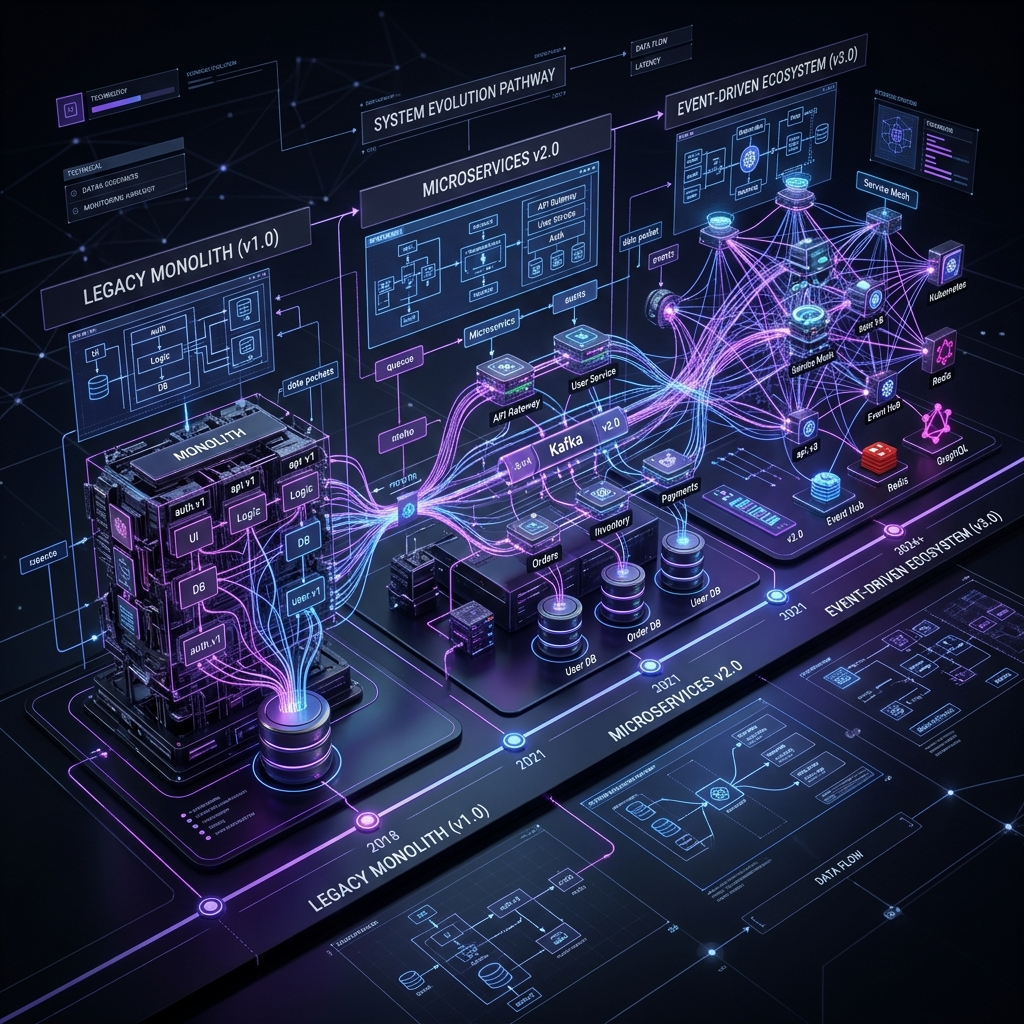
Designed for Modern Environments
Infrastructure operates across multiple platforms and ecosystems. Clarity ensures alignment across systems and services in a connected environment.
Build Where Systems Perform Best
Design infrastructure aligned with your system needs and growth plans. Create environments that support performance, reliability, and scale across the enterprise.